AI Business
2h ago
AI investment surge parallels China's economic impact from 2001 WTO entry
Oct 9, 2026
AI Summary
The current investment boom in artificial intelligence is comparable in scale to China's economic transformation following its entry into the World Trade Organization in 2001. With projections indicating AI spending could reach $30 trillion over the next decade, the implications for global trade, labor markets, and economic dynamics are significant.
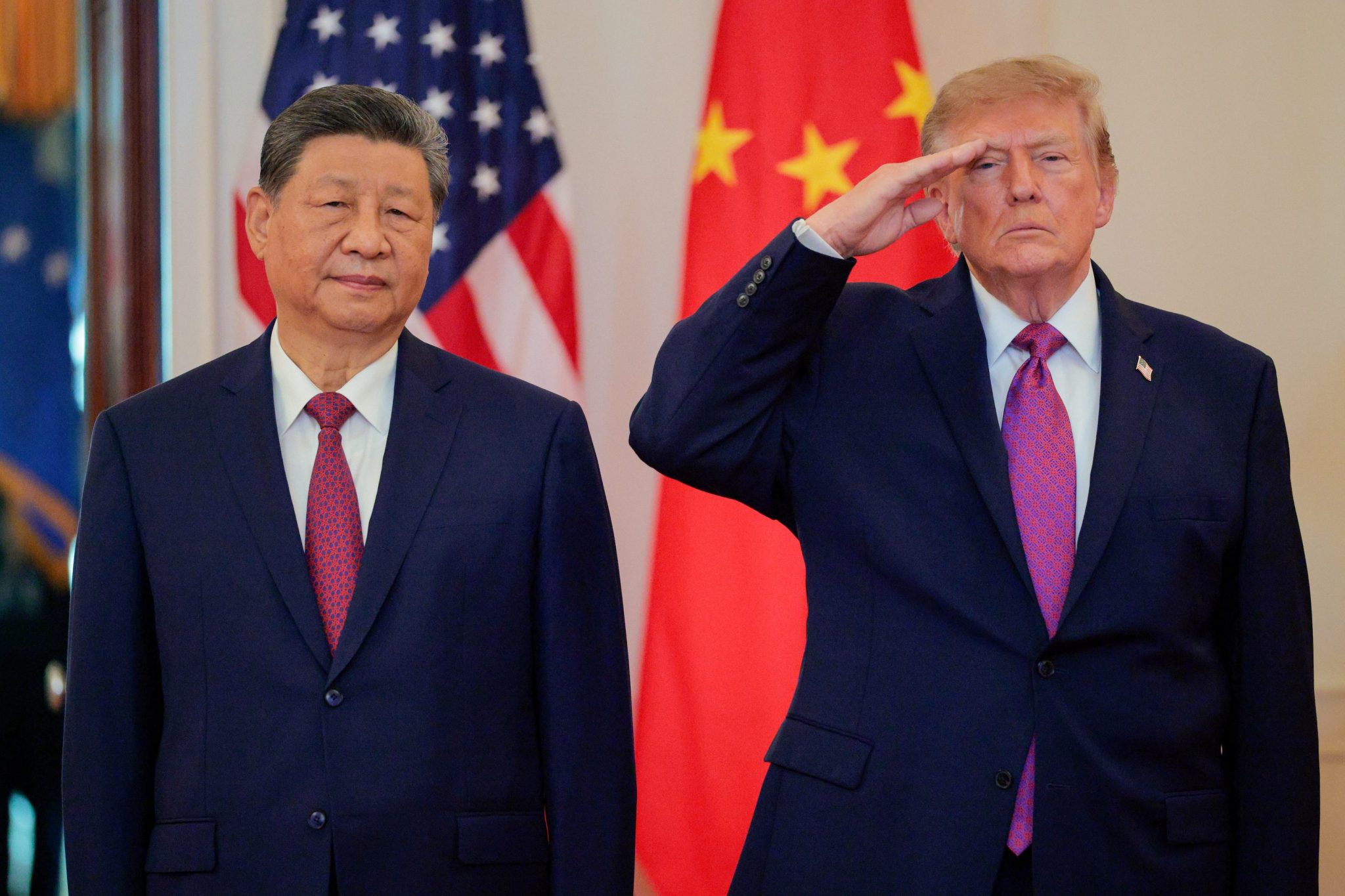
- China's accession to the WTO in 2001 triggered a massive capital investment boom, with cumulative fixed investment totaling about $20 trillion by 2010.
- The AI investment surge is projected to rival this, with U.S. hyperscalers expected to spend around $800 billion in capital expenditures by 2026 and global AI spending surpassing $2 trillion this year.
- Estimates for hard AI capital investment range from $10 trillion to $15 trillion globally over the next decade, while broader AI spending could approach $30 trillion.
- Unlike China's manufacturing-driven boom, AI represents a cognitive labor shock, affecting costs related to pattern recognition and data processing.
- The International Energy Agency forecasts that global data center electricity use will double by 2030, highlighting AI's physical impact.
- AI investment currently represents about 2% of global GDP, driven by market forces, suggesting potentially faster diffusion compared to China's state-subsidized growth.
- The political and economic consequences of AI could exacerbate inequality, similar to the effects of the China shock, with early labor market data indicating a decline in jobs exposed to AI.
- The AI investment boom may redefine economic landscapes, influencing GDP growth, capital allocation, and labor markets across all sectors, raising questions about managing its transition effectively.
aieconomyglobalizationcapital spendingchina