AI Summary
The demand for power from data centers is increasing at an annual rate of 19%, while U.S. grid capacity is only expanding by 2% each year. This disparity poses challenges for the AI industry and has led to public opposition against new data center projects due to concerns over rising electricity costs.
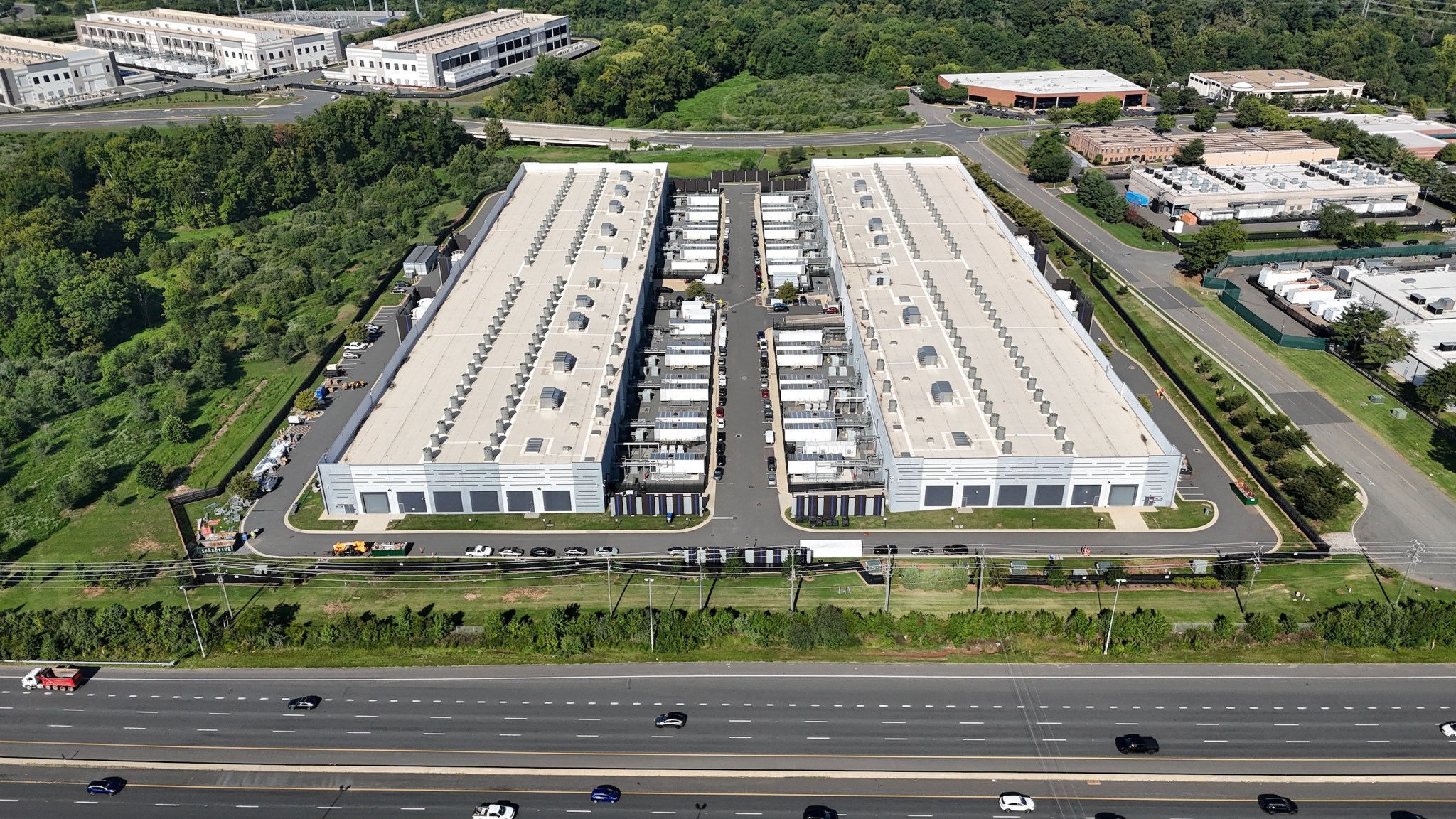
- Data centers' power demand has been growing at an average of 19% annually since 2000, while U.S. grid capacity has only increased by 2% per year.
- Citigroup estimates that Big Tech will invest over $2.8 trillion in AI infrastructure by 2029, with U.S. investment projected at $10.3 trillion from 2025 to 2032.
- Data centers accounted for about 5% of U.S. grid capacity in 2025, but to maintain that share by 2030, they would need to source up to 58% of their power from the grid, which is considered unlikely.
- A study projects that data centers could consume as much as 12% of U.S. electricity by 2028, a significant increase from 1.9% in 2018.
- Public opposition to data center projects has grown, with voters rejecting 40 of 41 local measures aimed at data center development in recent elections.
- A survey indicated that 70% of adults under 30 oppose new data centers in their areas, reflecting concerns about rising energy prices and grid strain.
- Data centers have been found to raise wholesale power prices, with significant increases projected in areas like California and Texas.
- Tech companies are adapting by developing their own energy sources, with Delaware enacting a policy requiring large energy users to secure their own power.
- On-site generation at data centers is growing, but experts warn it may not be a sustainable long-term solution due to fluctuations in power demand.
- Political responses include proposed moratoriums on new data center developments in states like Texas and Ohio.
data centerspower demandbig techenergy gridsustainability