AI Summary
A recent survey shows that only 16% of Americans believe AI will positively impact society in the next 20 years, with many fearing job losses. Nobel laureate Robert Shiller argues that negative narratives about AI could lead to a self-fulfilling prophecy, worsening economic conditions and consumer sentiment.
- A Pew survey indicates that only 16% of Americans expect AI to have a positive societal impact over the next two decades, while 40% anticipate negative effects.
- Concerns about AI include job displacement, environmental impact, and disruption caused by data centers.
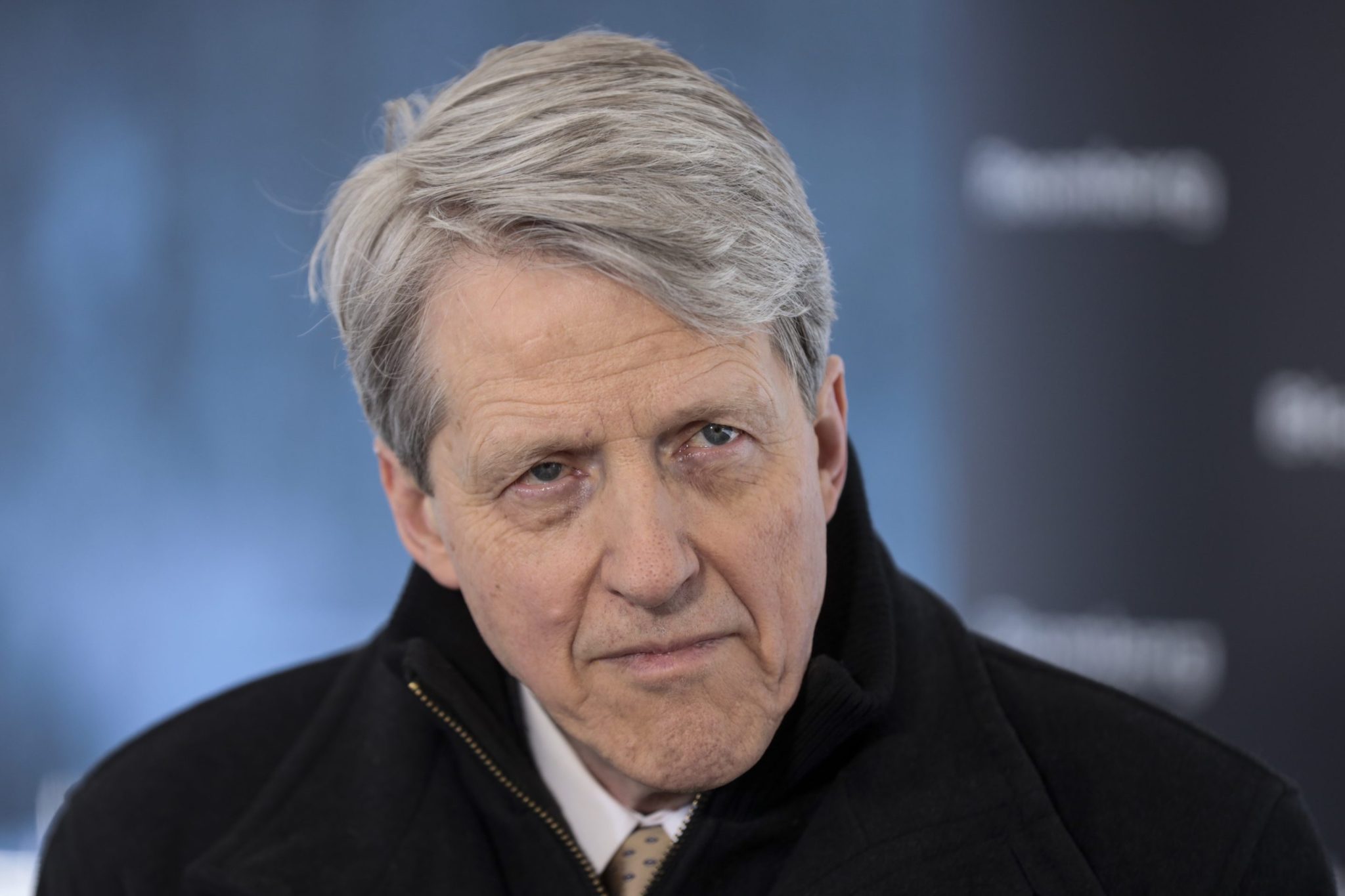
- Robert Shiller, a Nobel Prize-winning economist, warns that widespread fear of job losses due to AI could become a self-fulfilling prophecy, as negative expectations influence decision-making.
- Historical examples show that fears of technological displacement often precede actual job losses, such as the Luddite movement and the 1929 stock market crash.
- Despite rising fears, the Yale Budget Lab reports no significant change in job types since the introduction of ChatGPT in late 2022.
- Prominent figures in AI, like Dario Amodei and Mustafa Suleyman, have made alarming predictions about job losses, though they have since moderated their timelines.
- Shiller suggests that positive leadership and narratives could help mitigate fears, referencing Franklin Roosevelt's effective communication during the Great Depression.
- He emphasizes the need for leaders in Silicon Valley to be responsible in their messaging about AI's capabilities to avoid exacerbating economic uncertainty.
ai jobseconomicsself-fulfilling prophecynegative expectationsnobel laureate