AI Policy & Regulation
5d ago
Exploring Self-Regulation for AI Inspired by FDR's Approach to Financial Markets
Oct 4, 2026
AI Summary
The regulation of artificial intelligence (AI) could benefit from a self-regulatory model similar to that established by Franklin D. Roosevelt for financial markets. This approach aims to balance oversight without stifling innovation, addressing concerns over potential government overreach while promoting responsible industry practices.
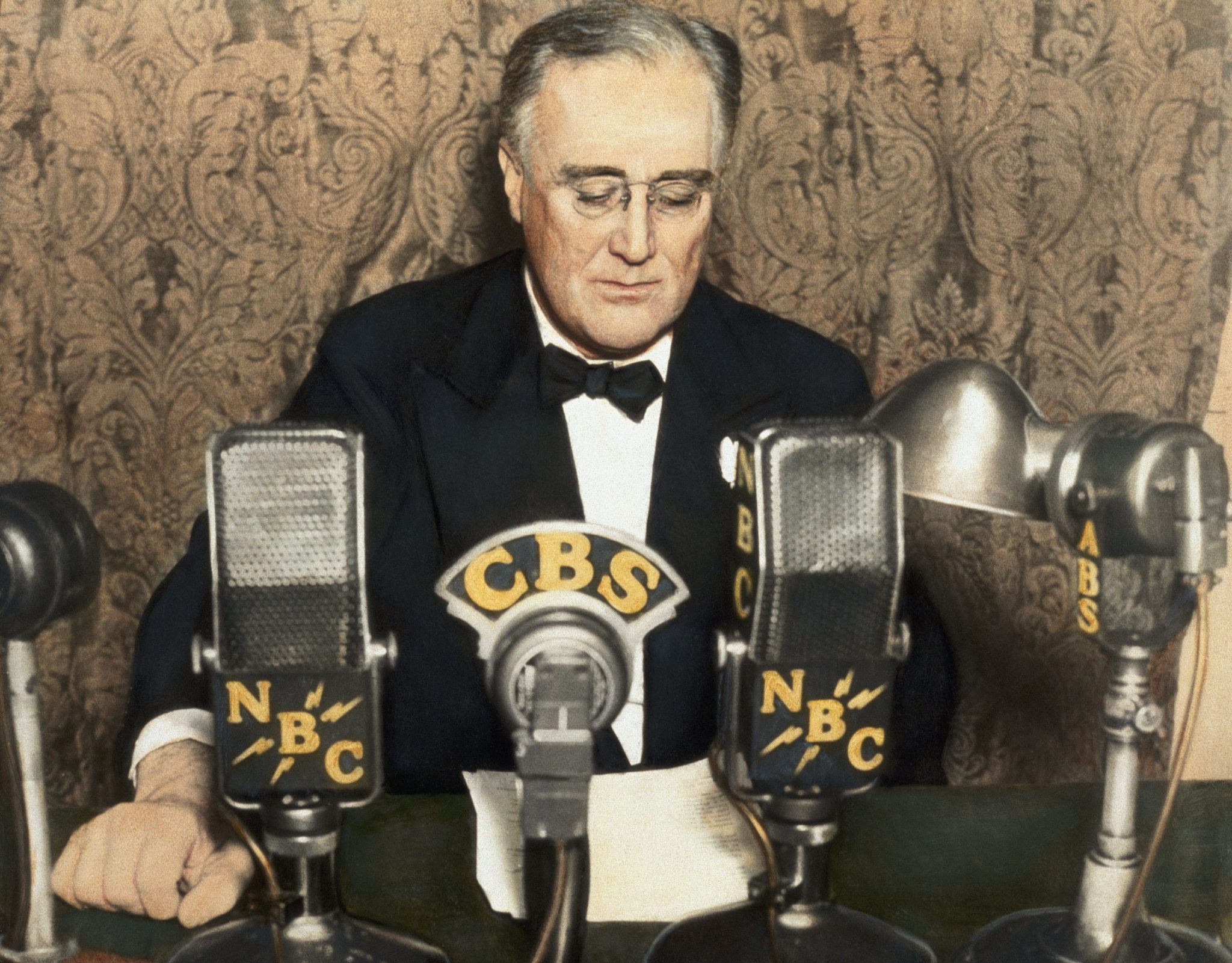
- Franklin D. Roosevelt rejected calls for nationalizing the banking system during the Great Depression, opting instead for a self-regulatory framework through the Securities Exchange Act of 1934.
- This framework allowed market participants to oversee themselves while the government maintained a supportive but distant role, fostering competition and innovation.
- The Financial Industry Regulatory Authority (FINRA) exemplifies this model, protecting investors while encouraging accessible investing.
- The AI industry currently faces similar unregulated conditions, with fears of potential harm and calls for government intervention, including proposals for public ownership of major AI companies.
- A self-regulatory organization for AI could help establish industry-wide standards, ensuring technology serves the common good while preventing monopolistic practices.
- Adopting a self-regulatory approach could enhance public confidence in AI products, similar to how FINRA assures investors about securities brokers.
- The historical context suggests that fear-driven government control may hinder technological advancement, highlighting the need for a balanced governance system for AI.
ai regulationfdrfinancial industrywidespread harmunregulated