AI & Machine Learning
Sep 30, 2026
Ford CEO discusses AI's impact on blue-collar jobs and skilled trades
Sep 30, 2026
AI Summary
Ford CEO Jim Farley highlighted the role of AI as a supportive tool for blue-collar workers, particularly in skilled trades, during a media roundtable. While he acknowledged that some routine jobs may be eliminated, he emphasized that AI will enhance productivity and assist workers in adapting to new technologies.
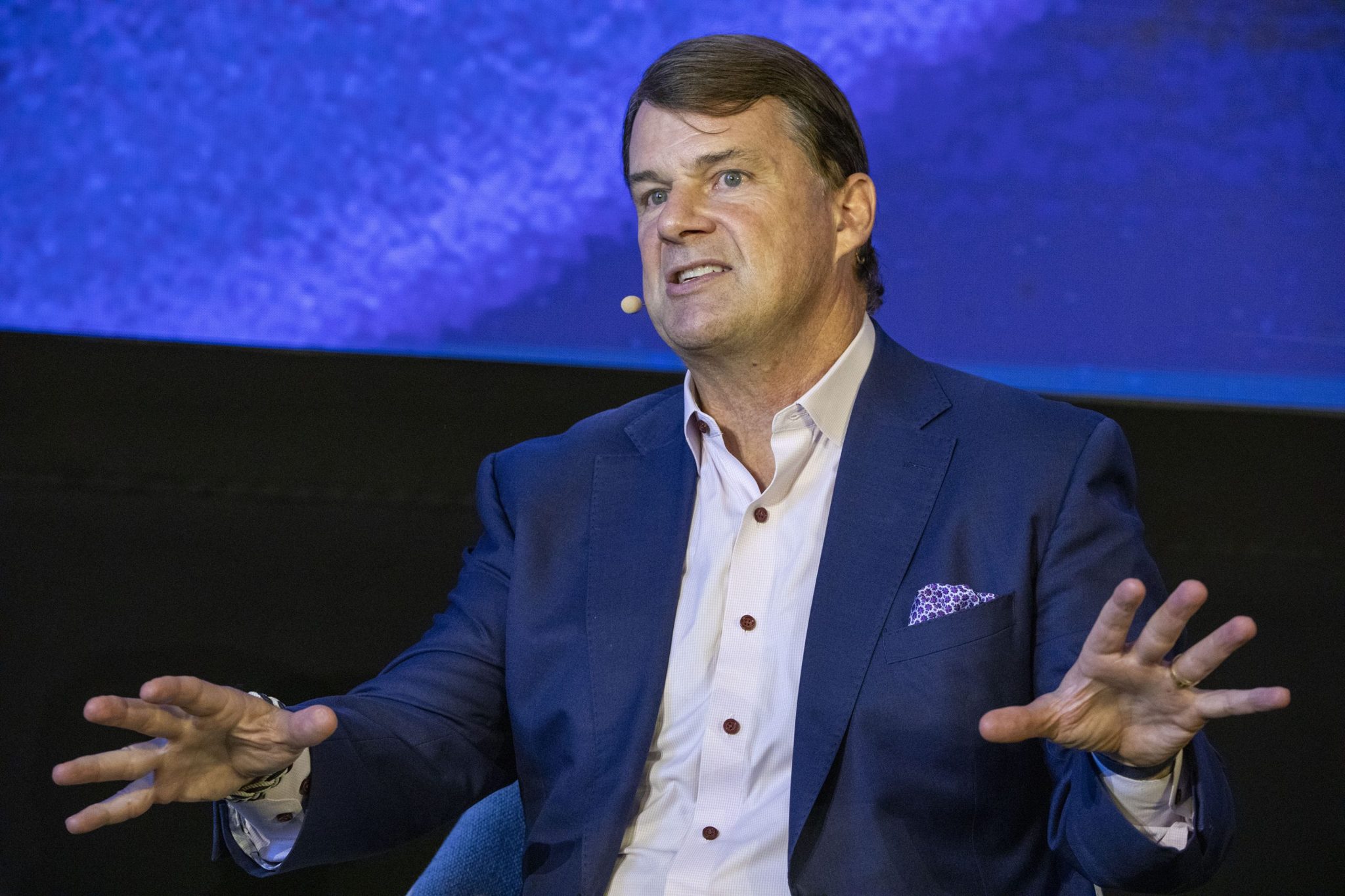
- Jim Farley, CEO of Ford, stated that AI will primarily serve as a companion for blue-collar workers, helping them perform complex tasks and address labor shortages in skilled trades.
- He noted that jobs in finance and call centers are more likely to be affected by AI, while skilled trades such as electricians and technicians will be transformed but not replaced.
- Ford employs over 10,000 skilled-trades workers, making up about 20% of its UAW workforce, and is shifting towards digital manufacturing and robotic maintenance.
- Farley mentioned that the distinction between skilled trades and engineering is blurring in modern auto plants, with workers increasingly involved in digital processes and robotics.
- AI is being used to assist technicians in vehicle repairs, making complex tasks more manageable for those without prior experience.
- Chris Nelson, CEO of Stanley Black & Decker, described AI and robotics as solutions to labor shortages in construction, enhancing efficiency and allowing workers to focus on more complex tasks.
- Both executives acknowledged the need for trust in AI systems among workers, emphasizing that AI should be viewed as a tool for improvement rather than a threat to jobs.
- The discussion highlighted the historical tension between efficiency measures and worker concerns about job security, which remains relevant in the context of AI adoption.
aiblue-collarjob displacementautomationworkforce