AI & Machine Learning
Nov 16, 2026
Honeywell CEO highlights complexity of automation systems and need for skilled workers
Nov 16, 2026
AI Summary
Vimal Kapur, CEO of Honeywell Technologies, emphasizes that automation systems have become too complex for human operators to manage effectively. He advocates for the integration of 'physical AI' to enhance human productivity and address the growing skill shortage in the workforce.
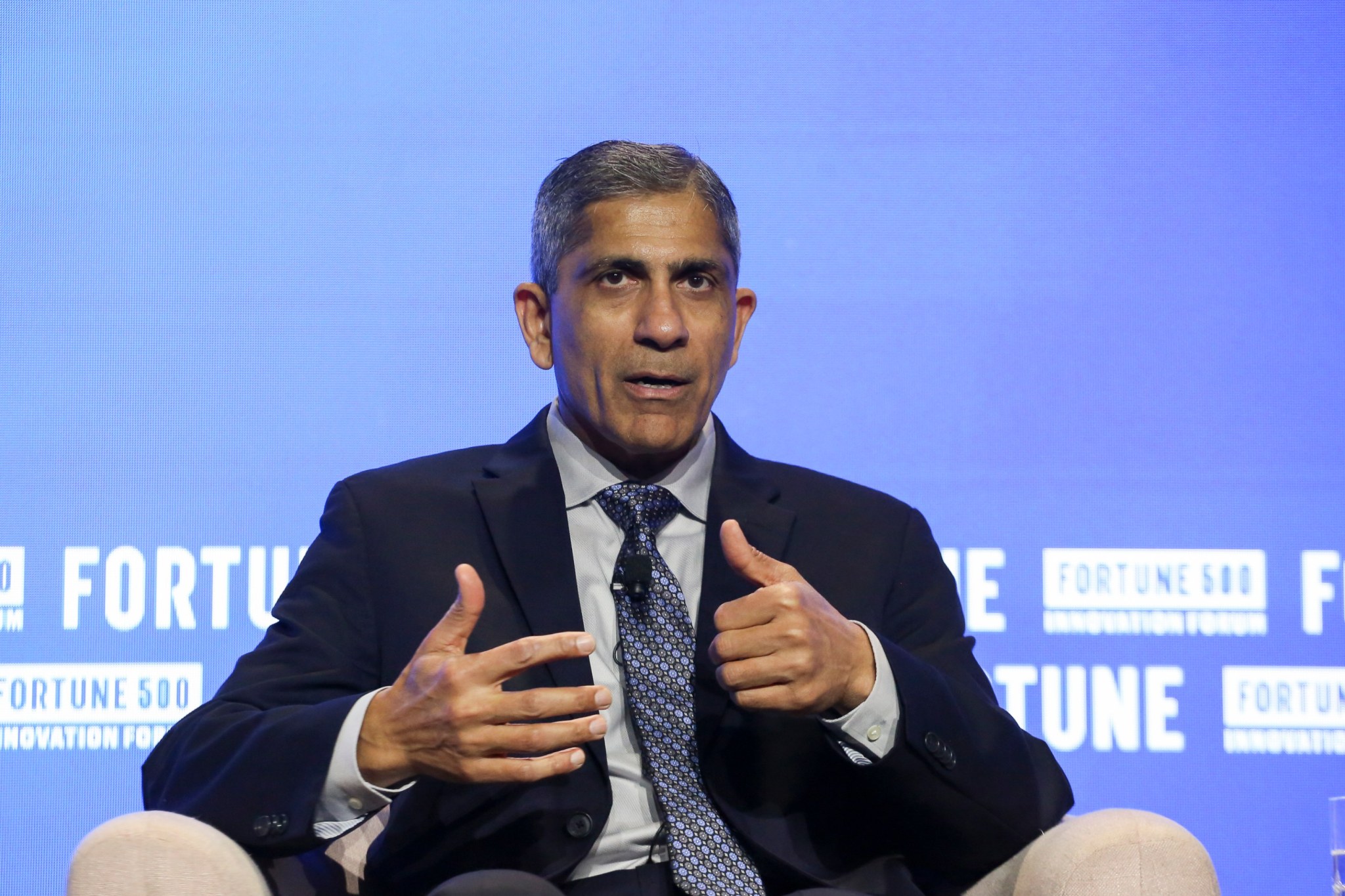
- Automation in sectors like hospitals and data centers began in the 1970s and has become increasingly complex over the years, now operating largely autonomously with minimal human oversight.
- Kapur noted that recent incidents, such as a nationwide FAA ground stop and Microsoft 365 outages, illustrate the challenges humans face in managing these complex systems.
- He introduced the concept of 'physical AI,' which aims to enhance existing automation by incorporating human knowledge and improving productivity rather than replacing jobs.
- Data accessibility is a significant barrier to implementing effective AI solutions, as much of the relevant data is not publicly available and requires specialized knowledge to utilize.
- Honeywell has transitioned to selling AI layers on top of its automation products, aiming to lead the shift from automation to autonomy in the industrial sector.
- The CEO of C.H. Robinson, Dave Bozeman, echoed similar concerns regarding complexity in supply chains and introduced 'Lean AI' to streamline specific tasks.
- A historical perspective from a 1983 study highlighted the challenges of automation, noting that as systems become more advanced, the role of human operators becomes increasingly critical.
- Kapur pointed out a significant shortage of skilled workers in the industry, exacerbated by retirements, with projections indicating a need for millions of additional workers in manufacturing by 2033.
- He emphasized the urgency for reskilling the workforce within the next 18 to 24 months to address these challenges.
automationphysical aicomplexitydata centershospitals