Large Language Models
Nov 19, 2026
MIT-led team analyzes code sharing practices in medical research studies
Nov 19, 2026
AI Summary
A study led by researchers from MIT and Dana-Farber Cancer Institute examined nearly 4,000 medical research papers to assess how code is shared in clinical prediction studies. The findings revealed that code sharing is infrequent and often lacks adequate documentation, prompting the development of TRIPOD-Code, a guideline aimed at improving code sharing practices in research.
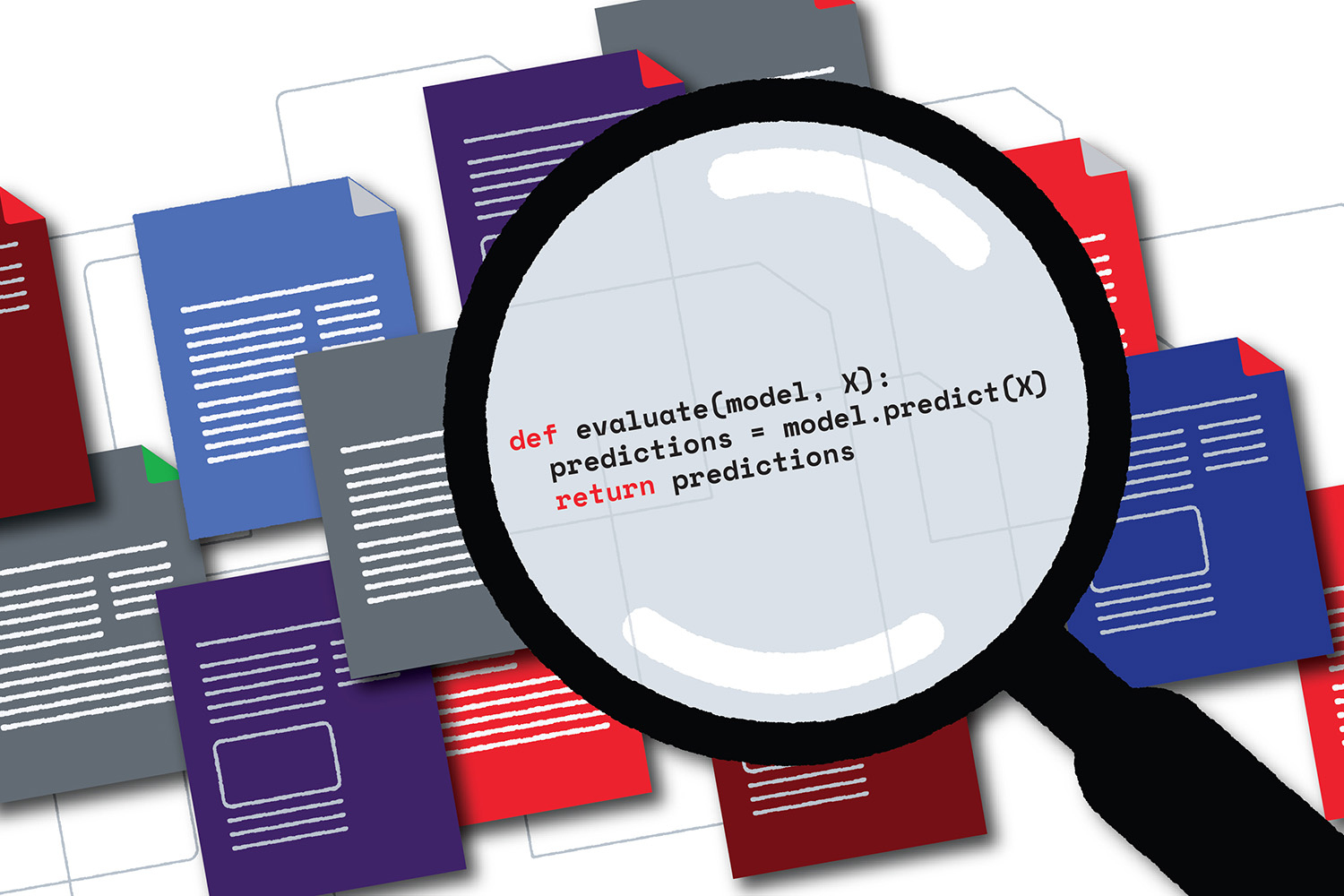
- Researchers from MIT and Dana-Farber Cancer Institute investigated code sharing in clinical prediction studies by analyzing almost 4,000 papers.
- The study found that only about 12.5% of these studies reported sharing code, and the quality of shared code varied significantly.
- The research highlighted the need for better documentation and organization of shared code to facilitate its reuse and understanding.
- An international team utilized large language models (LLMs) to identify statements about code availability and assess linked repositories for completeness and documentation quality.
- The TRIPOD-Code initiative aims to establish guidelines for what researchers should share regarding analytical code, addressing inconsistencies in current practices across journals and countries.
- The review indicated that while some journals have policies on code sharing, these do not always lead to increased sharing rates.
- The goal of TRIPOD-Code is to provide practical guidance for researchers and clearer expectations for journals regarding code sharing in clinical prediction research.
ai researchmedical studiescode sharinglarge language modelsdata analysis