AI Research
Sep 28, 2026
MIT researchers enhance RNA vaccine stability for room temperature storage
Sep 28, 2026
AI Summary
Researchers at MIT have developed a new formulation for RNA vaccines that allows them to remain stable at room temperature for up to a year and at nearly 100 degrees Fahrenheit for two months. This advancement, aided by an AI algorithm, could facilitate wider distribution of vaccines and support the development of innovative delivery methods such as microneedle patches.
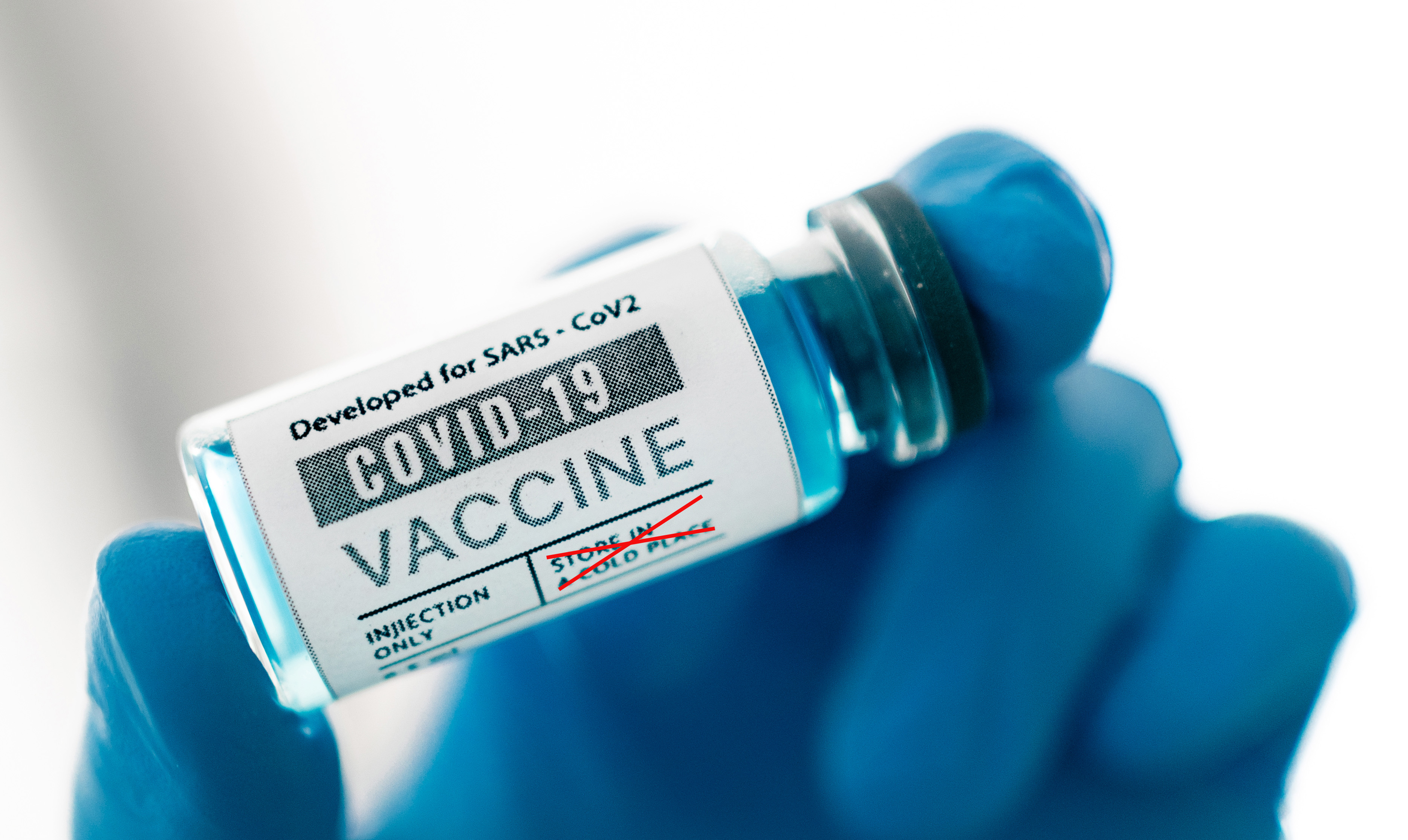
- RNA vaccines are effective against Covid-19 and are being explored for other diseases, including cancer.
- Traditional RNA vaccines require ultracold storage, complicating distribution, especially in regions lacking cold-storage facilities.
- MIT researchers have modified the lipid nanoparticles used in RNA vaccines to enhance their heat resistance, allowing for longer storage at higher temperatures.
- The new formulation can maintain stability at room temperature for up to one year and at 37 degrees Celsius for two months.
- The researchers utilized an AI algorithm to optimize the formulation process, significantly reducing the time needed to develop stable vaccines.
- Tests showed that mice vaccinated with the new formulation generated immune responses comparable to those receiving vaccines based on the original Moderna formulation.
- The researchers also created solid microneedle patches using the new formulation, which elicited similar immune responses to injectable RNA vaccines.
- The study indicates potential for broader applications of mRNA vaccines and other drug delivery systems that require stability at higher temperatures.
- The research was partially funded by the Gates Foundation.
rna vaccineslipid nanoparticlestemperature stabilityvaccine distributionmit engineers