AI Ethics
5d ago
Princeton professor discusses complexities of AI fears and its impact on jobs and skills
Aug 19, 2026
AI Summary
Arvind Narayanan, a computer science professor at Princeton, explores the multifaceted anxieties surrounding AI, emphasizing that concerns extend beyond job loss to include distrust of technology companies and the social implications of AI. He argues that while AI can enhance productivity, it also risks relegating workers to less meaningful roles and highlights the importance of critical thinking skills in navigating this evolving landscape.
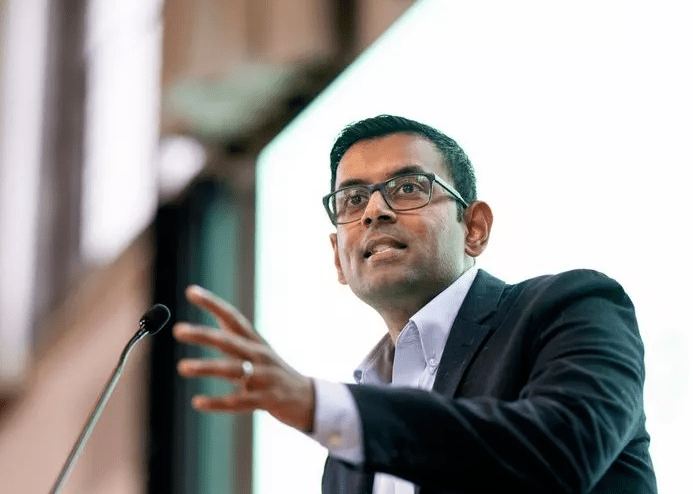
- Arvind Narayanan co-wrote the book 'AI Snake Oil,' which critiques the reliability of AI in making high-stakes predictions about individuals.
- He identifies a coalition of fears driving public opposition to AI, including job loss, distrust of tech companies, and concerns about social effects.
- Narayanan views generative AI as a useful tool for knowledge workers but warns against overreliance on AI systems that make predictions about people.
- He introduces the concept of a 'moral crumple zone,' where workers absorb blame for failures of automated systems they cannot control.
- Different professions react differently to AI; software developers may find it empowering, while artists may feel alienated by its use.
- Students face challenges in balancing the use of AI tools with the need to develop foundational skills, leading to anxiety about their future job prospects.
- Narayanan describes himself as an optimist, believing that proactive regulation and critical engagement can lead to positive outcomes from AI technology.
- He notes that the ability to effectively use AI tools may highlight existing inequalities in critical thinking skills among the workforce, contributing to fears about AI.
ai ethicseducationskill developmentarvind narayananai impact