AI Summary
The use of AI agents is rapidly increasing, with a significant number of businesses already implementing them. These agents differ from generative AI by taking actions in the real world, and their development faces challenges such as limited training data and potential risks associated with automation.
- A report from November 2025 indicates that 35% of surveyed businesses have deployed AI agents, with another 44% planning to do so soon.
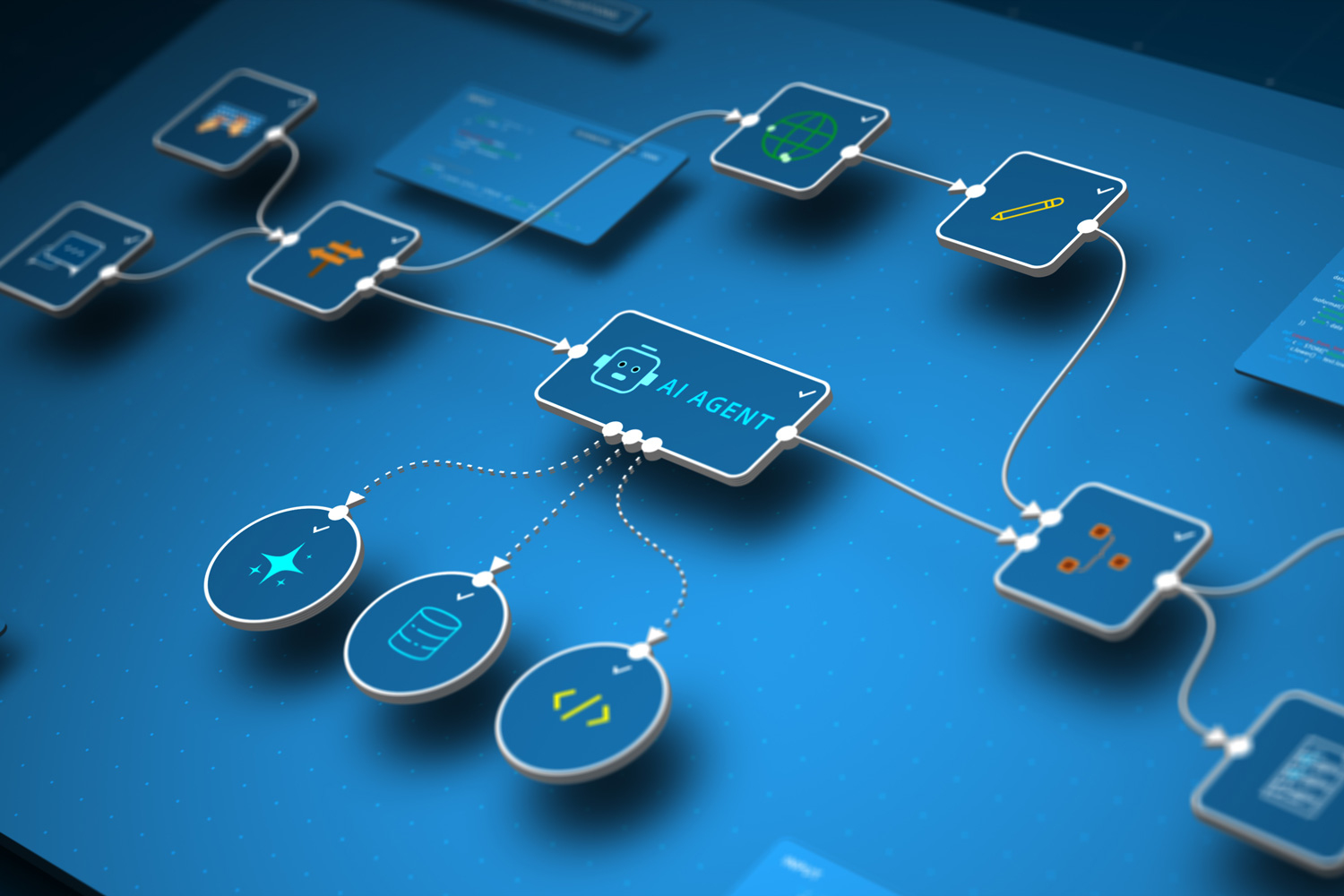
- Agentic AI refers to systems that can take actions, such as booking flights or performing physical tasks, unlike generative AI, which creates content like stories or images.
- Most AI agents are built on foundational generative AI models and are customized with specific tools for various applications.
- The development of agentic AI is hindered by a lack of training data, making it difficult to program agents for specific tasks without extensive trial and error.
- Successful applications of agentic AI have been seen in coding, where agents can learn through feedback loops to solve programming problems.
- There are concerns regarding the risks of using AI agents, including the potential for errors, data leaks, and the risk of de-skilling users who rely too heavily on automation.
- The future of agentic AI may involve integrating various data types and developing new models that can handle complex tasks more effectively, raising questions about the direction of AI technology.
agentic aiai agentsfuture technologycomputer scienceai development