AI Policy & Regulation
1h ago
U.S. Government Shifts Towards AI Regulation Amid Public Concerns
May 19, 2026
AI Summary
The U.S. government is moving towards establishing regulations for artificial intelligence amid growing public backlash and bipartisan support. Recent developments include potential federal licensing for AI models and discussions on international AI governance following a summit between U.S. and Chinese leaders.
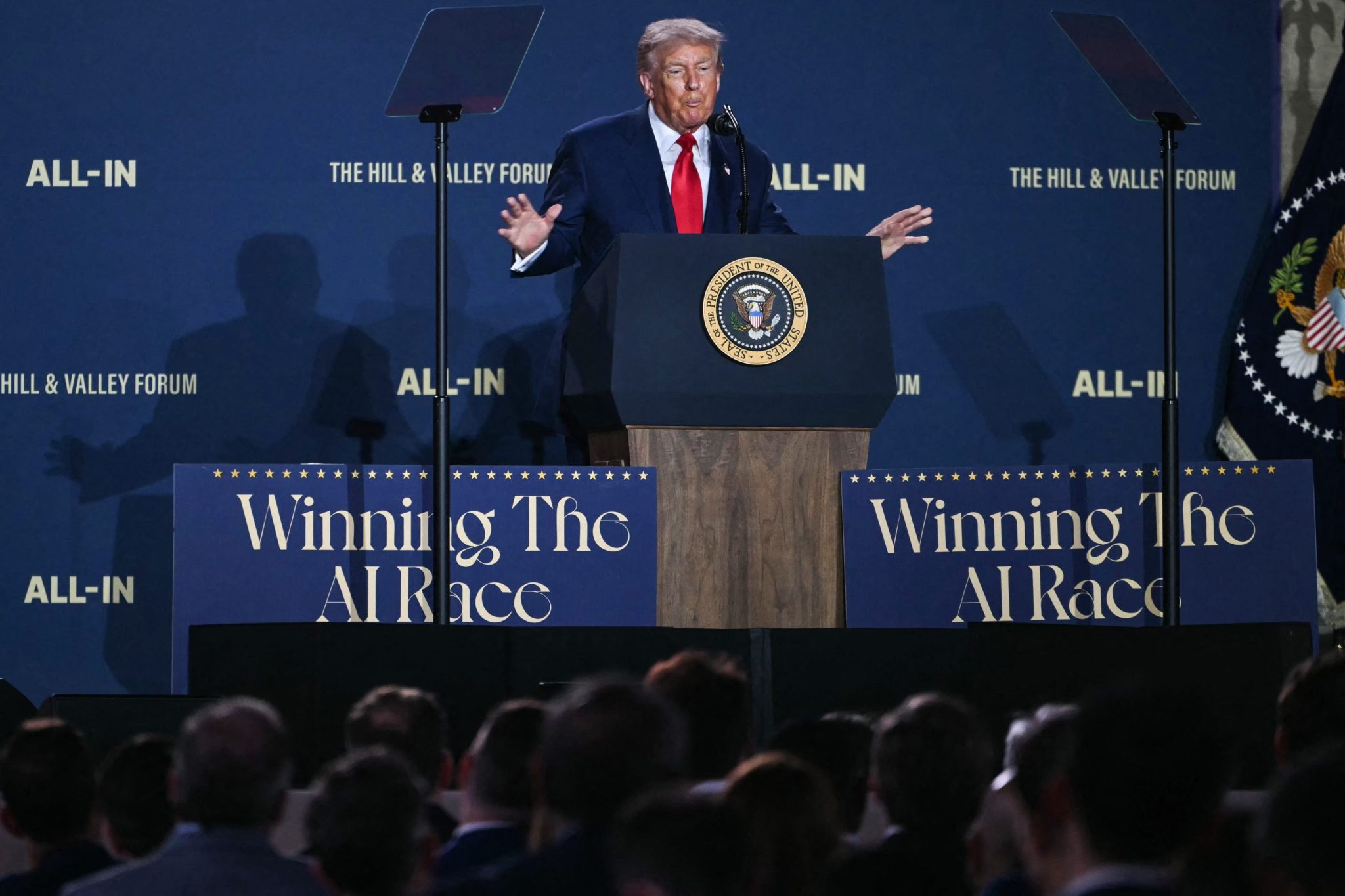
- The Trump administration is shifting from opposing AI regulation to considering a federal licensing regime for AI models.
- Bipartisan support for AI regulation is increasing in Congress, with potential legislation expected if Democrats gain control of at least one Congressional house.
- Public sentiment is largely negative towards AI, with polls indicating that many Americans fear its implications and believe the government has done too little to regulate it.
- OpenAI has recently endorsed the bipartisan Kids Online Safety Act and a state AI bill in Illinois, indicating a change in its stance on safety legislation.
- Anthropic's AI model, Mythos, has raised concerns about AI's dual-use potential, prompting the government to reconsider its regulatory approach.
- The Trump administration has reportedly vetoed Anthropic's plans for a project that could enhance cybersecurity, reflecting caution regarding AI's capabilities.
- Discussions on AI safety with China have emerged following a summit between President Trump and President Xi Jinping, marking a shift in U.S. policy towards international cooperation on AI governance.
- Export controls on AI technology have not effectively prevented China from advancing its military AI capabilities, suggesting a need for reevaluation of U.S. strategies in this area.
- Overall, the political climate around AI regulation in Washington has changed significantly, with a growing recognition of the need for oversight.
ai regulationwhite housepublic backlashchinapolicy change