Robotics
Jun 23, 2026
MIT develops low-power chip for real-time 3D mapping in small robots
Jun 23, 2026
AI Summary
Researchers at MIT have created a new chip that enables small autonomous robots to generate detailed 3D maps of their environments in real-time while consuming minimal power. This innovation could enhance the capabilities of tiny UAVs and augmented reality devices, allowing for efficient navigation and obstacle avoidance in complex settings.
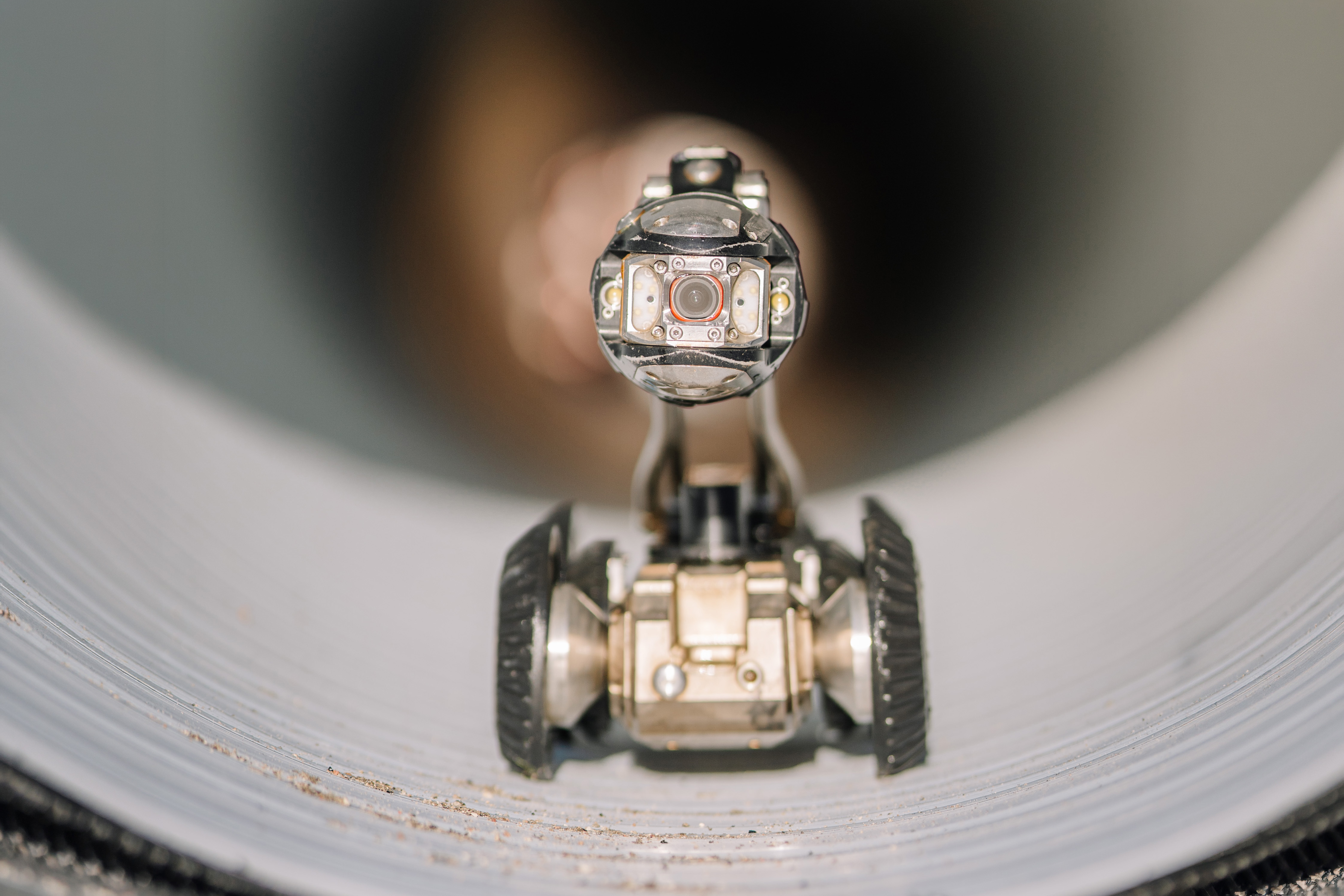
- The new chip, named Gleanmer, allows small UAVs to navigate tight spaces, such as industrial HVAC systems, to detect gas leaks.
- It generates 3D maps using a power-efficient algorithm and specialized hardware, consuming only about 6 milliwatts of power.
- The chip employs a technique using ellipsoid blobs called Gaussians instead of traditional 3D pixels (voxels), allowing for more compact mapping of obstacles.
- By processing depth images in a single pass and fusing overlapping Gaussians, the chip reduces memory and power requirements significantly.
- Gleanmer can create detailed maps in real-time, using only about 2.5% of the power required by existing mapping chips.
- The researchers aim to further improve energy efficiency and explore additional applications for the technology.
- This work is supported by various organizations, including the MIT-MathWorks Fellowship and the U.S. National Science Foundation.
tiny robotsnavigation3d mappingefficient algorithmshardware