AI Summary
Researchers at MIT have created a new technique for developing climate emulators, which are AI models that simulate climate scenarios quickly and accurately. This advancement allows for more efficient testing of various climate scenarios, improving the reliability of climate predictions and aiding in policy-making.
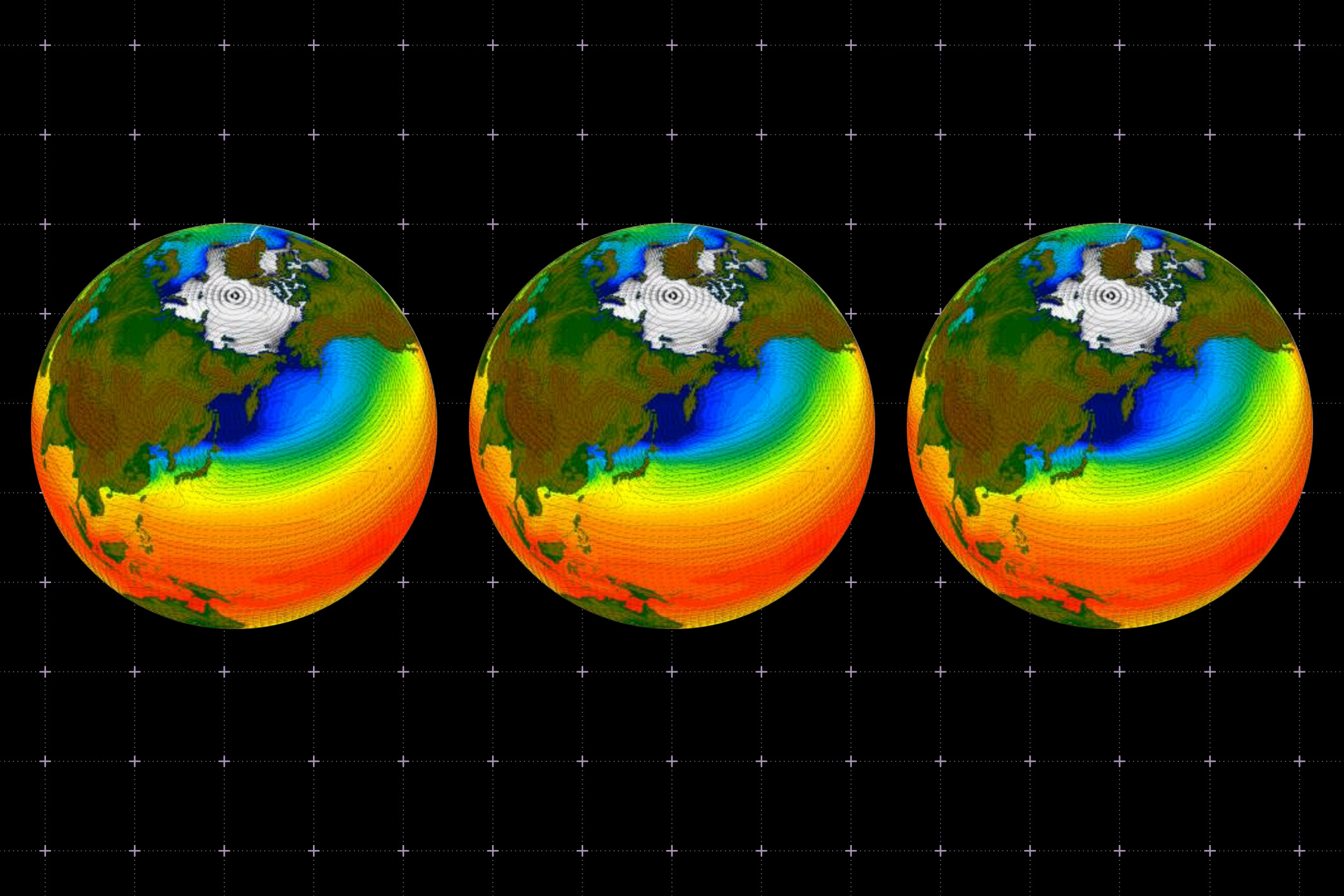
- Accurate climate projections are crucial for decision-making in areas such as power grid resilience, public health, and agriculture.
- MIT researchers have developed a method to produce faster and more reliable AI models for climate prediction, known as climate emulators.
- These emulators can simulate the impacts of human activities on future climate conditions in seconds, enabling scientists to test numerous scenarios efficiently.
- The new training technique requires significantly less data than traditional methods, allowing for quicker production of effective climate emulators.
- The researchers found that their emulator could accurately predict outcomes from scenarios not included in its training, unlike traditional models.
- The algorithm generates synthetic training data that optimizes the emulator's predictive performance, even if the scenarios are not realistic.
- This approach allows for the generation of diverse training scenarios without the need for extensive data collection from full-scale earth system models.
- The researchers aim to improve the adaptability of climate emulators to better inform stakeholders about potential climate scenarios and policy impacts.
- Future plans include testing the technique with data from full earth system models and applying it to other climate modeling and machine learning applications.
- The research is part of the Bringing Computation to the Climate Challenge project and is supported by Schmidt Sciences through the MIT Grand Challenges.
climate predictionai modelsmittraining methodhuman activities