AI Research
Nov 20, 2026
MIT researchers develop method to ensure AI models of chaotic systems remain physically realistic
Nov 20, 2026
AI Summary
Researchers at MIT have introduced a new approach to modeling chaotic systems, such as weather and turbulent flows, that ensures predictions remain within realistic bounds. This method incorporates physics-based constraints into machine learning models, enhancing their reliability across various applications, including climate forecasting and aeronautics.
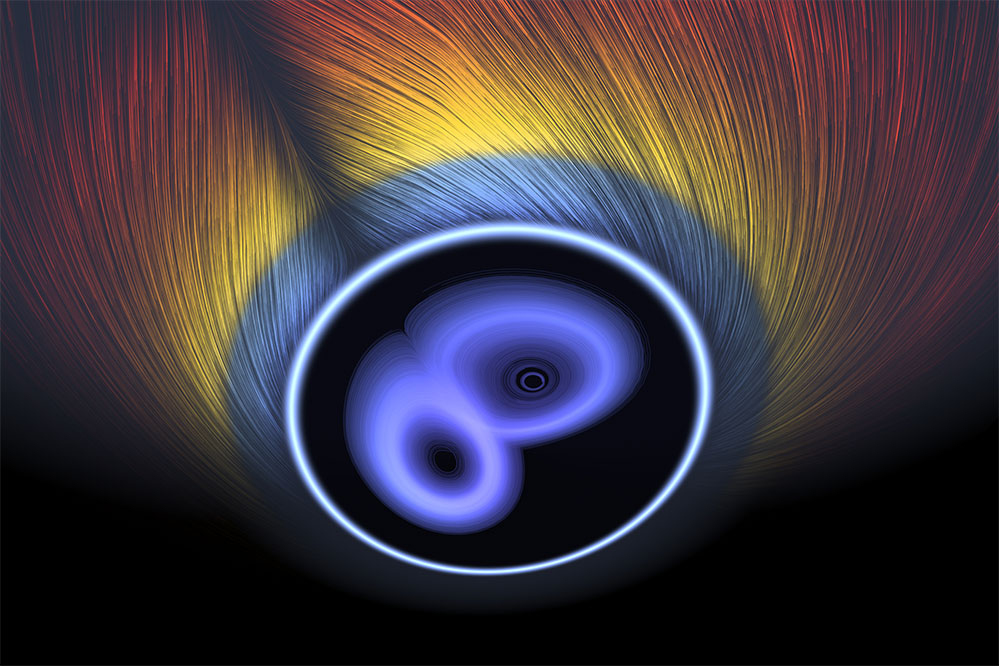
- Researchers at MIT's Laboratory for Information and Decision Systems have developed a method to improve the reliability of AI models for chaotic systems.
- The new approach introduces physics-based restrictions that prevent models from making physically impossible predictions over time.
- This method is particularly relevant for complex systems like weather patterns, turbulent flows in aviation, and industrial processes.
- The researchers emphasize that while chaotic systems can exhibit unpredictable behavior, they remain bounded by physical laws.
- The team tested their approach on various physical systems and found it produced accurate predictions, unlike conventional methods that often lead to unrealistic outcomes.
- Their method employs energy-based constraints and a projection layer to ensure that model predictions stay within realistic limits over long forecast periods.
- The researchers plan to further test their approach on larger and more complex systems, including realistic weather models.
- The findings have been published in the Proceedings of the National Academy of Sciences, and the team has made their code available for further research and application.
chaotic systemsphysics-based constraintsnonlinear systemsweather predictionclimate modeling